
Understand
Leopa plans information content on bipolar disorder.


Leopa is developing a solution in the field of bipolar disorder, aiming to help patients better understand their disorder, keep their bearings and take an active part in their care.
Device under development · No CE marking yet
+167 people are already following Leopa’s next steps
Supporting us along the way











The project
Leopa plans information content on bipolar disorder.
Leopa plans for users to be able to record their observations (mood, sleep, personal indicators).
Users will be able to choose which observations they wish to share with their clinicians.
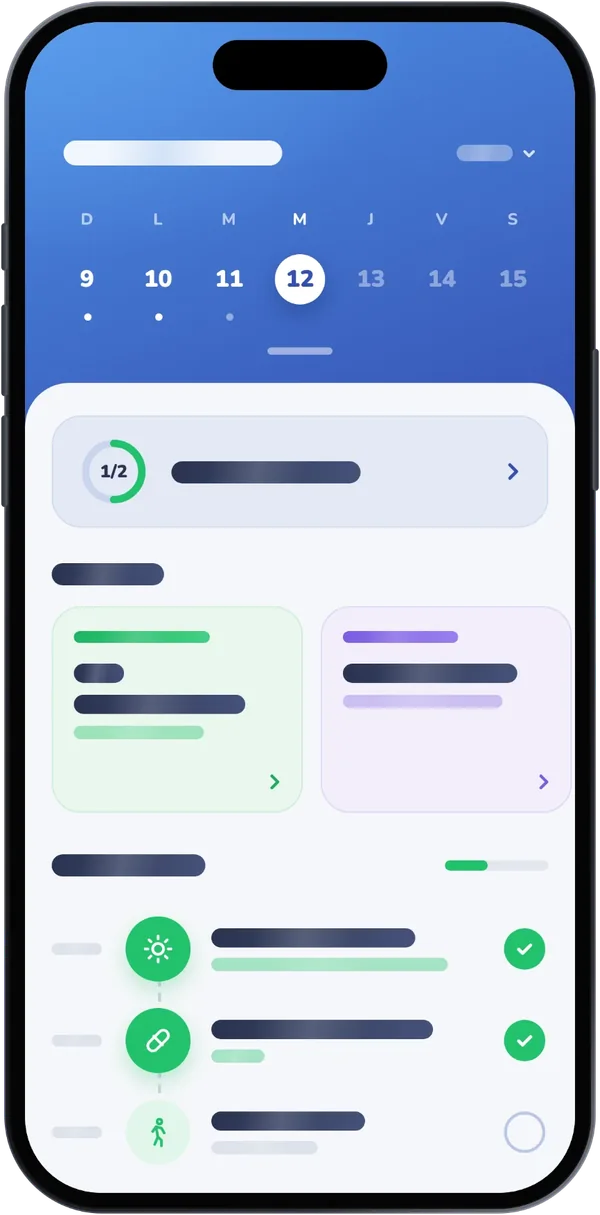
Example diagram
Understand
Understand the disorder
Structured information content on bipolar disorder.
Practise exercises
Guided exercises.
Keep track
Check in
Recording of mood, sleep and personal indicators.
Organise the day
Routines and reminders.
Prepare conversations
Prepare appointments
A summary of observations, which users will be able to choose to share with their clinicians.
Why Leopa?
A multidisciplinary scientific committee supports the design.
Patients, loved ones and clinicians contribute to the design of a single medical device.
Tools planned in one place, to be used at one’s own pace.
59 adults reporting that they live with bipolar disorder used an early version of Leopa for 30 days.
33.9%
On day 30, 20 of the 59 participants were still using it.
used Leopa regularly
at least 13 sessions with a tracking action (about 3 per week), and at least one tracking action from day 17 on
24 days
of use out of 30 for these 31 regular users, or 5 to 6 days per week (median)
ECNP Congress
Munich, Oct 2026
French Psychiatry Congress
Strasbourg, Dec 2026
AFTCC Congress
Paris, Dec 2026
This study describes how the app was used. It does not measure its efficacy, which will be assessed in a dedicated clinical study.
Next steps
More studies are planned to further evaluate and refine Leopa’s support.
Leopa plans for users to be able to choose to share all or part of their observations with their loved ones and clinicians.
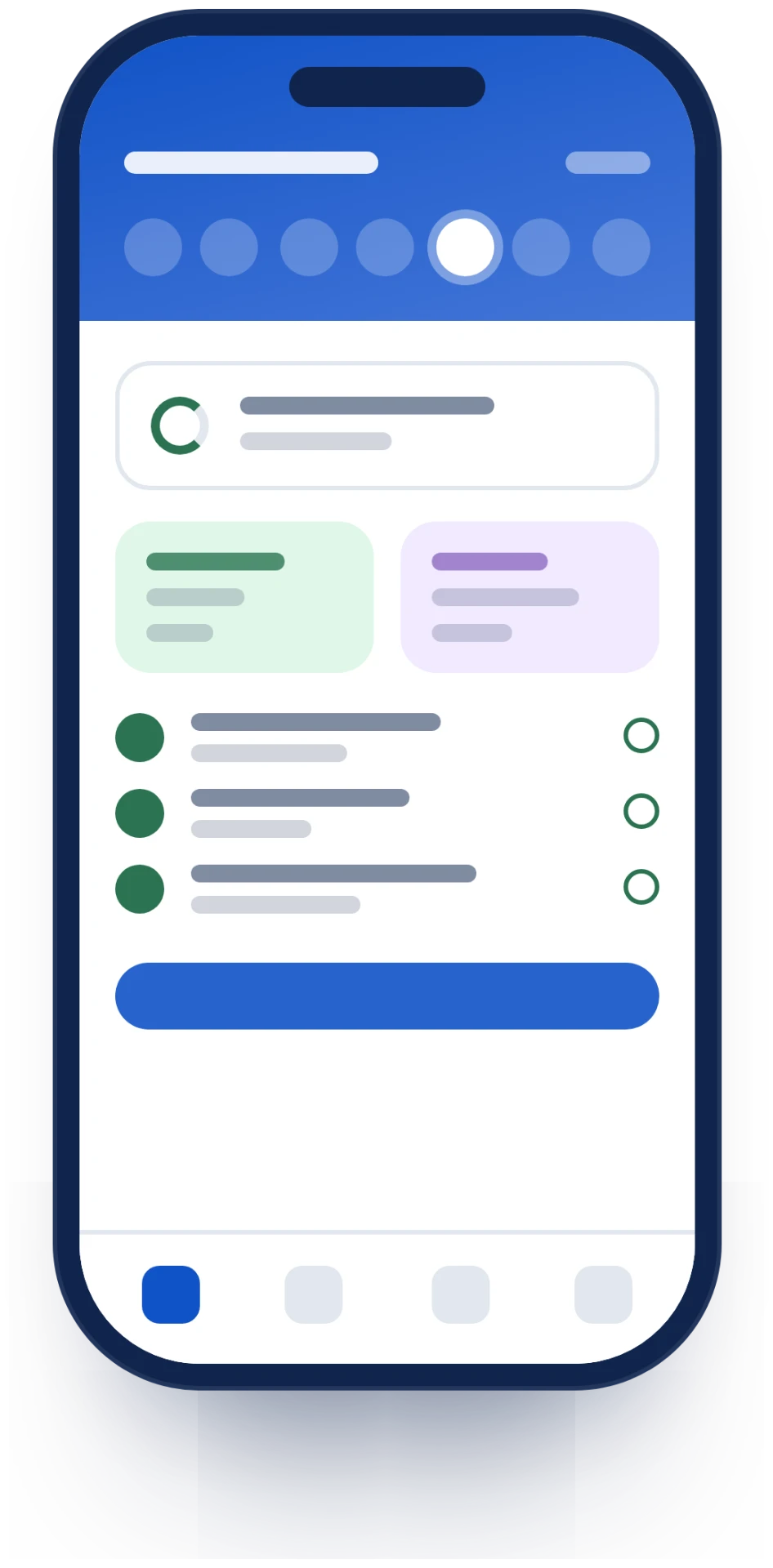
 The user
Example diagram

Only what the user will choose to share with them.

Only what the user will choose to share with them.
Users’ data is processed in accordance with the regulations applicable to personal data protection and hosted by an HDS-certified host.
Privacy policy (in French)
HDS-certified hosting

GDPR compliance
Our team
Founders, scientific committee, patients and loved ones: one team building Leopa.
 France 2030 winner · Mental healthSelected after just one year, for the project’s scientific and technical ambition.

Leopa is under development and can only be made available once it has obtained CE marking. People who have signed up will be kept informed of the project’s progress.
Leopa plans information content on bipolar disorder, the recording of observations (mood, sleep, personal indicators), guided exercises and reminders. Users will be able to choose to share all or part of their observations with their clinicians and loved ones.
Leopa is not intended to replace care. A person without follow-up can see their GP, who will refer them to the right clinicians; in France, medico-psychological centres (CMP) also offer local appointments. In distress: 3114 (free, 24/7) or 15.
Leopa plans a dedicated space for loved ones, who will be able to access the information the person chooses to share with them. Loved ones are also taking part in Leopa’s design.
No. Leopa is designed to be used alongside medical follow-up, without replacing clinicians, treatment or the care team.


